
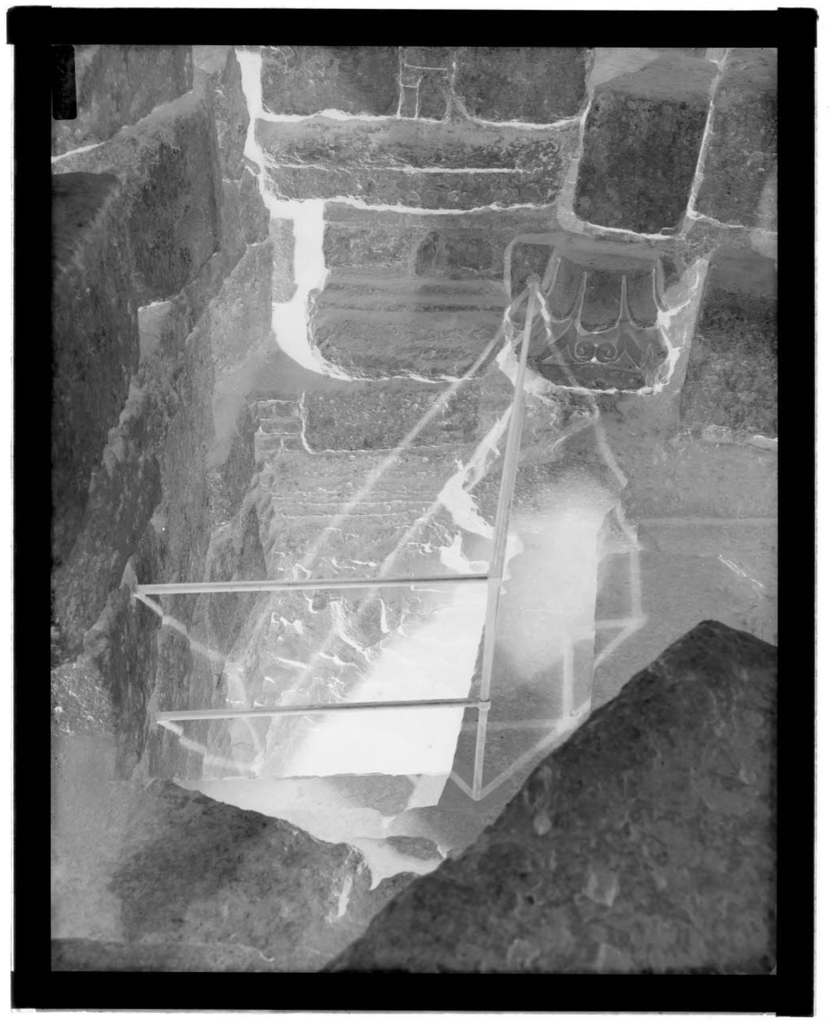
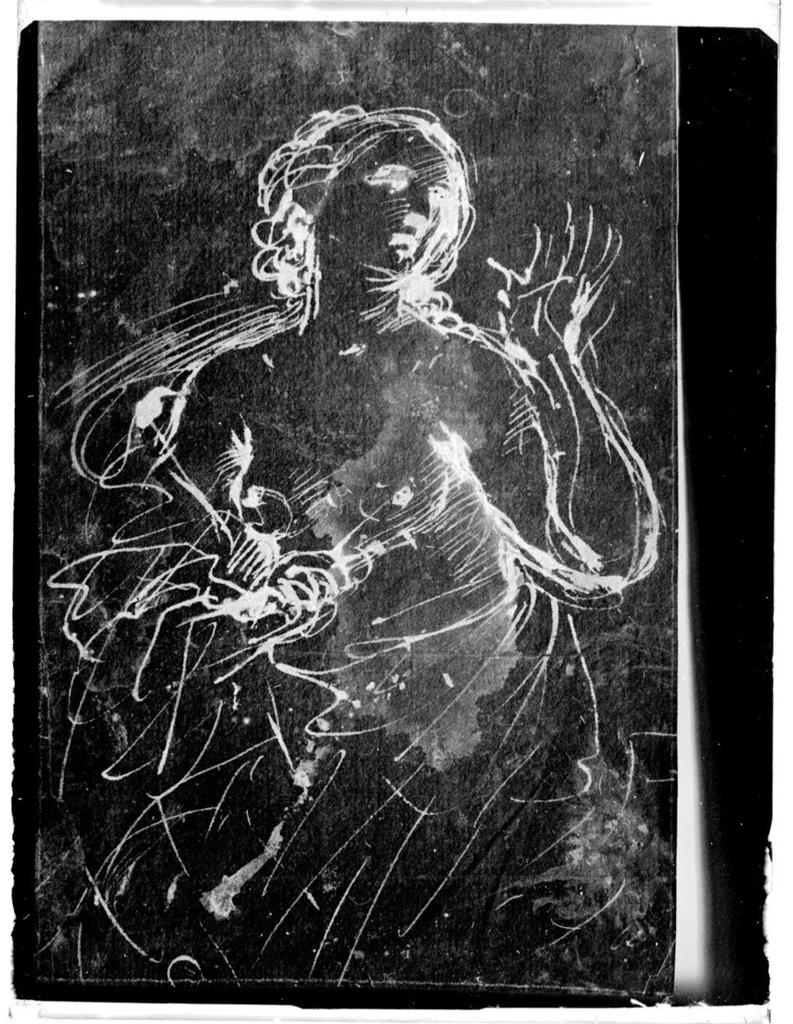
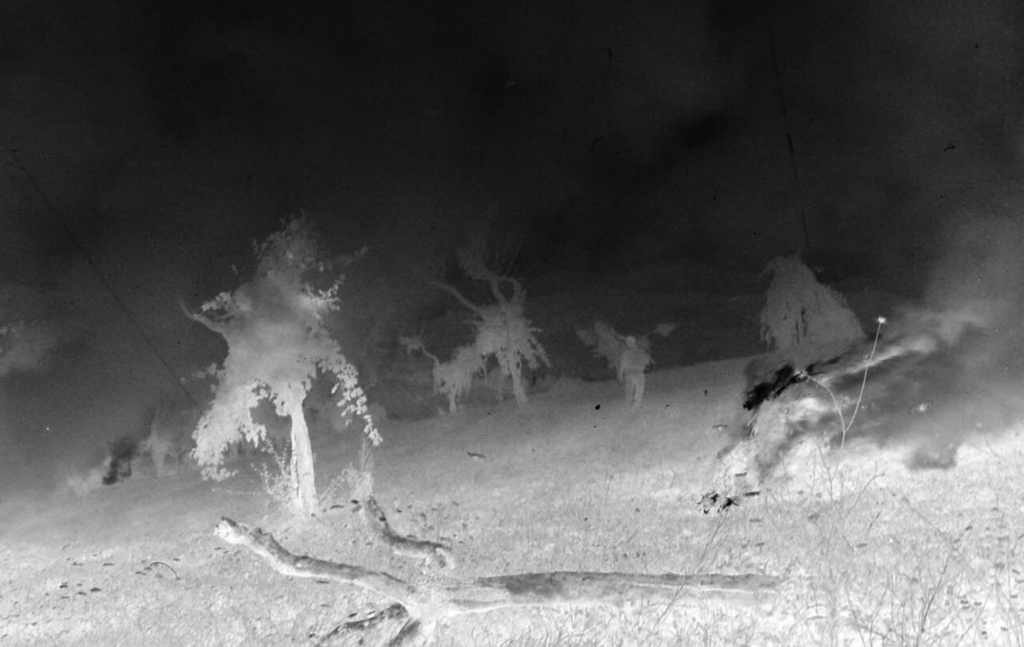
Domina Ludi investigates the relationship between archive, memory and the construction of history through the use of photographic negatives from Milan’s civic digital collections. The work develops from archival materials that are reactivated as narrative elements capable of generating new readings of the past and questioning the very nature of the documentary image. The core of the research is the story of Sibilia Zanni and Pierina Bugatis, two women who lived in Milan at the end of the 14th century and were involved in the inquisitorial processes that contributed to the early definition of the figure of the “witch” in Europe. In the court reports, Sibilia and Pierina are associated with the figure of Domina Ludi, a symbolic entity linked to nocturnal practices and community rituals. These narratives, today critically reread by historiography, reflect a world in which the boundary between lived experience and inquisitorial construction is profoundly unstable. Their story, which culminated in their condemnation to the stake in 1390 in Milan, represents one of the first examples of the cultural and repressive process that would lead to the subsequent systematization of witch hunts in Europe. Through the use of archival negatives, the project recomposes this story into visual fragments and allows us to restore presence to what has been marginalized or erased from the official narrative, thus questioning the mechanisms through which the story is produced and recorded. Domina Ludi stands between document and imagination, between historical research and poetic construction, opening a critical space in which the archival image becomes a tool for rethinking the relationship between past and present.
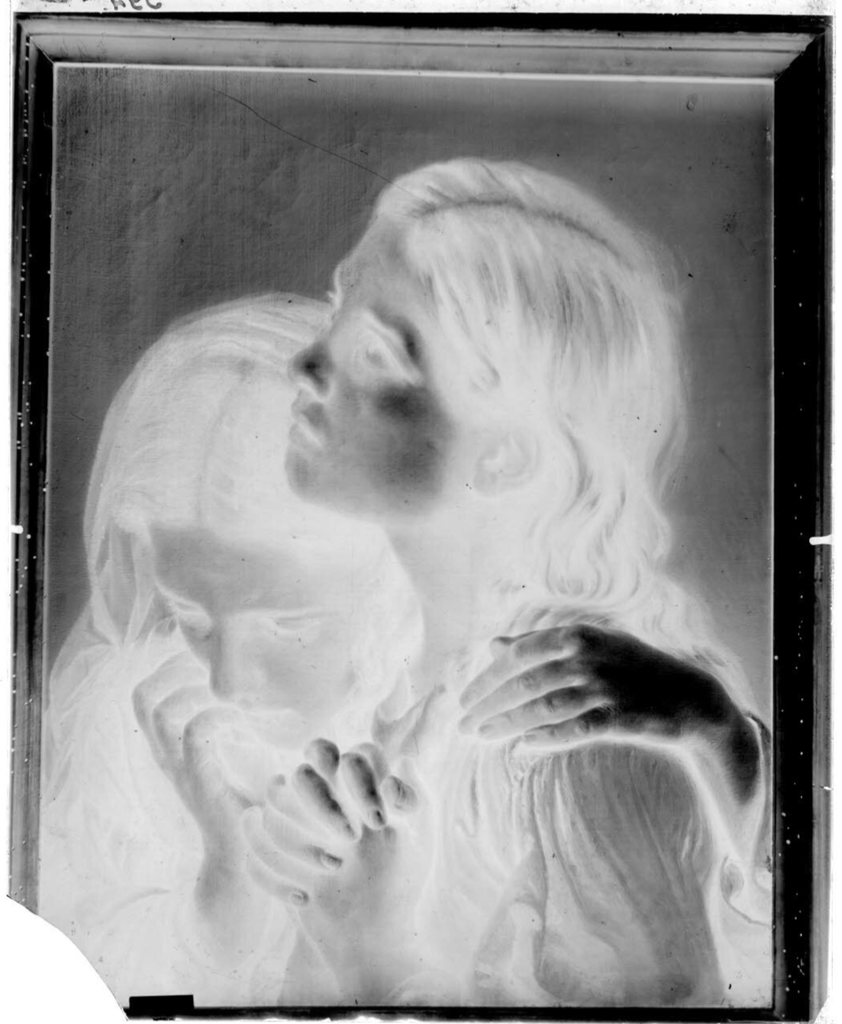
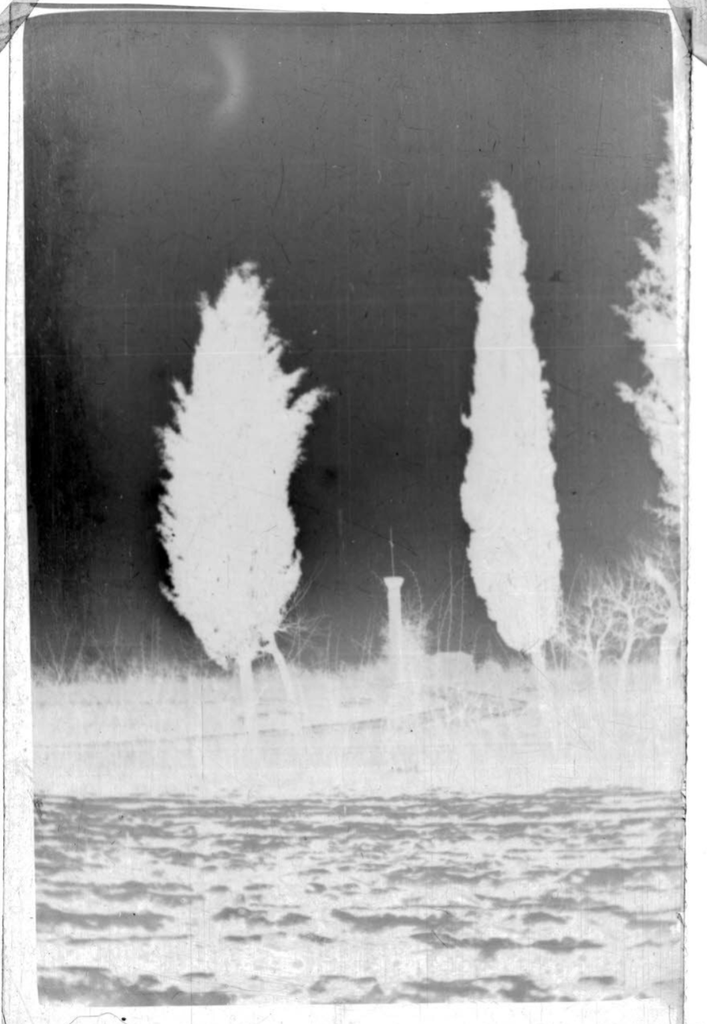
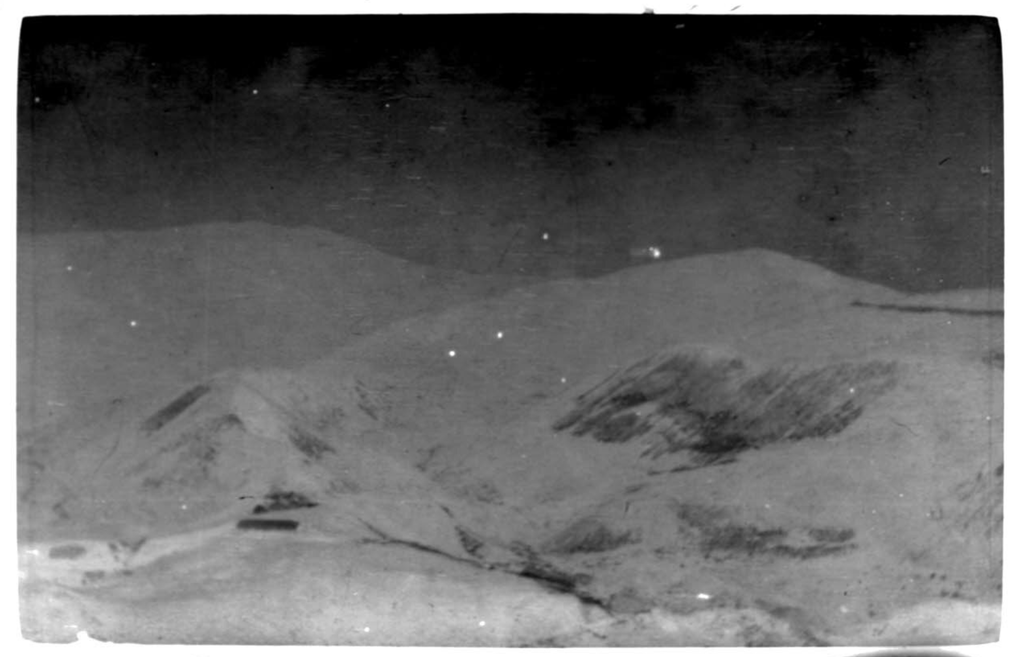
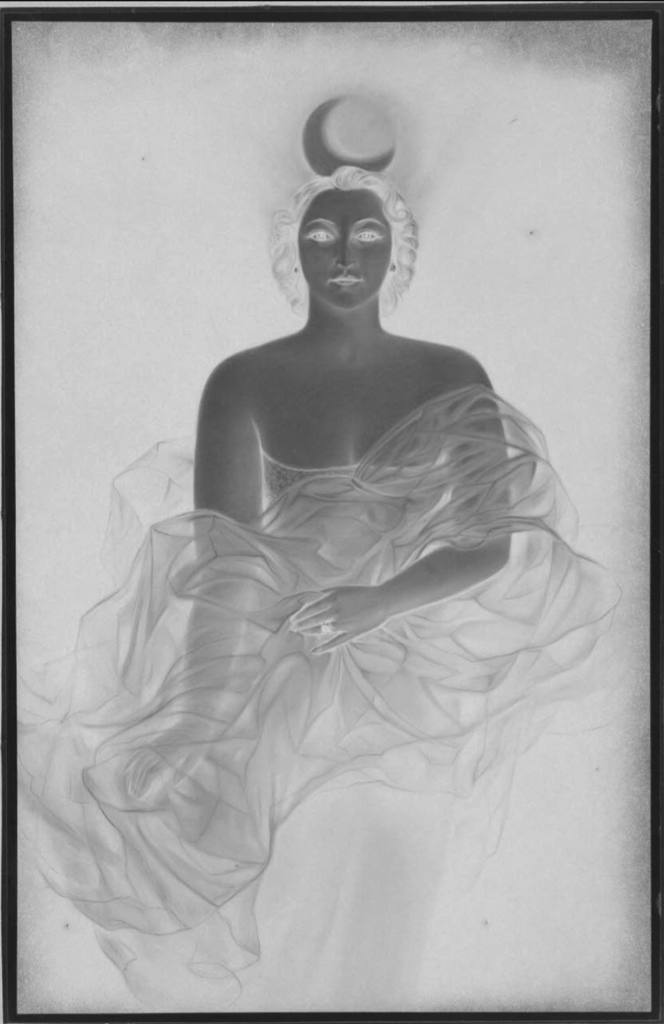
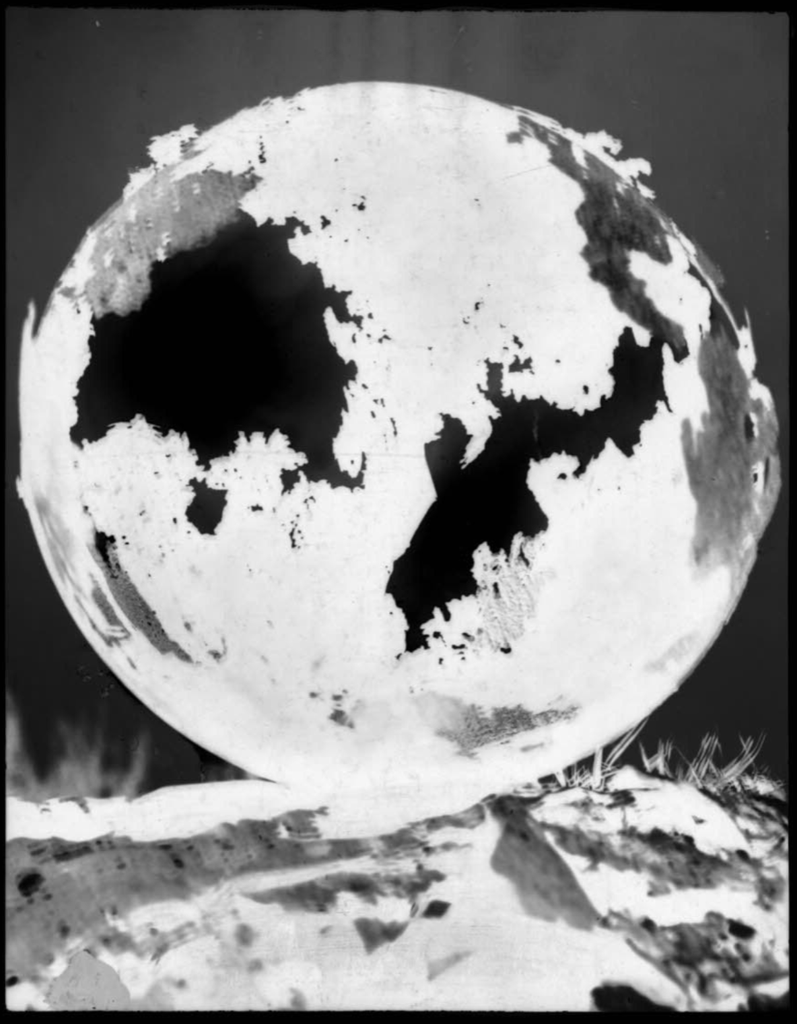
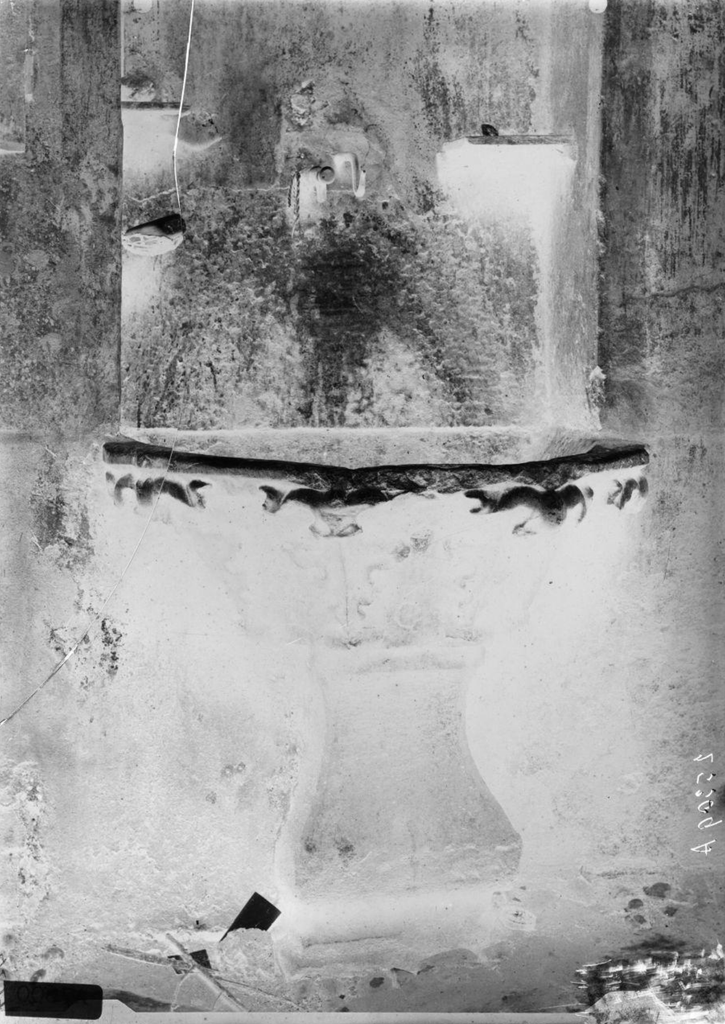
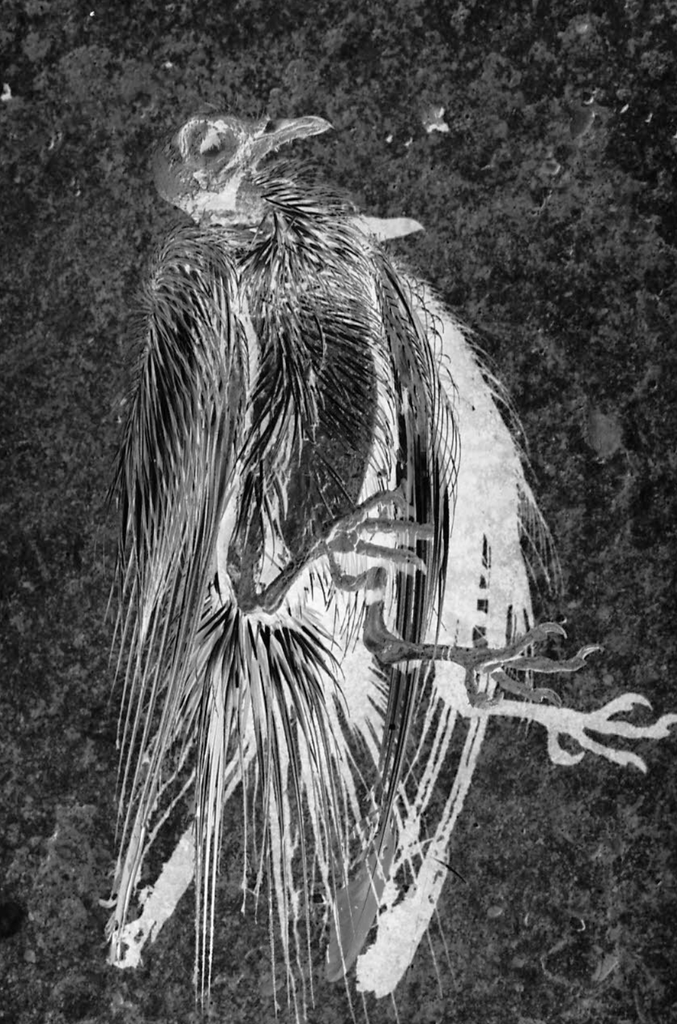
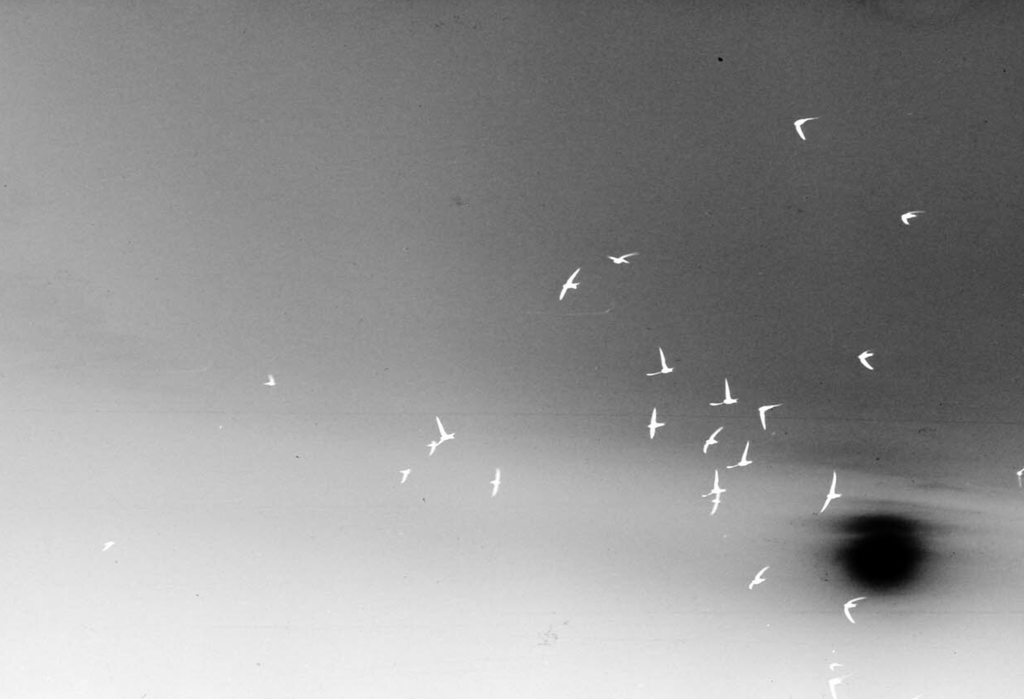
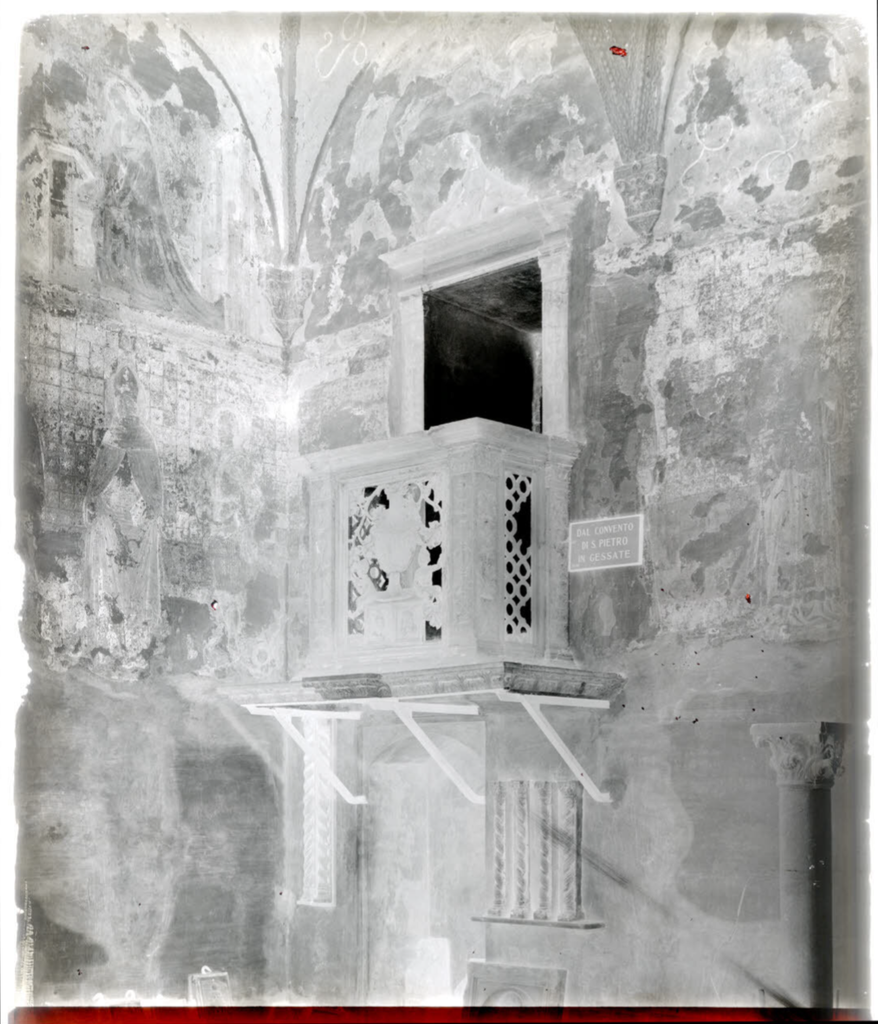
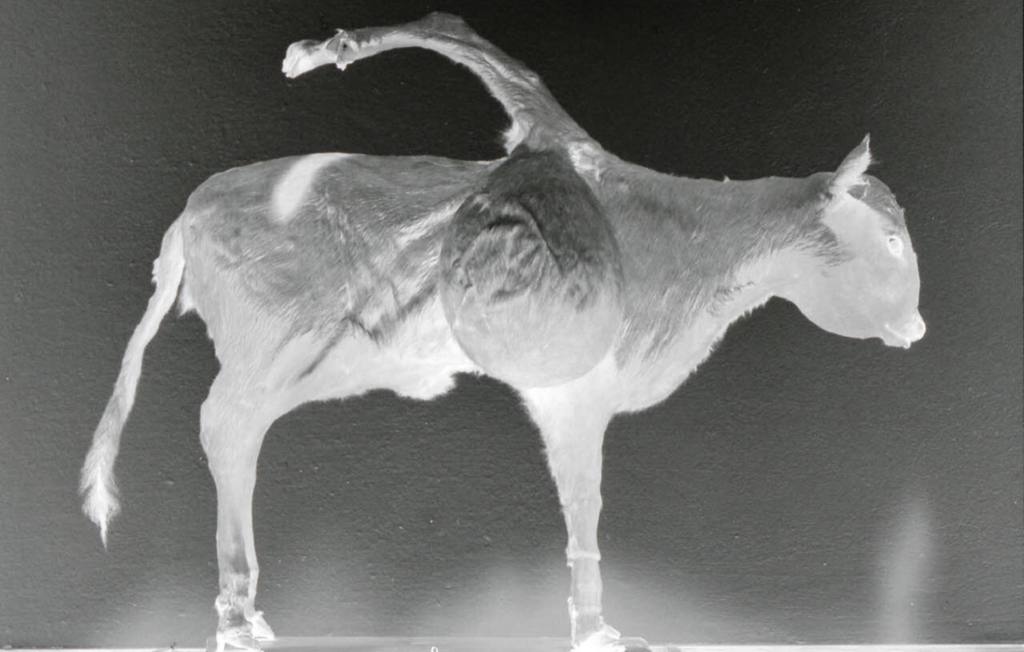
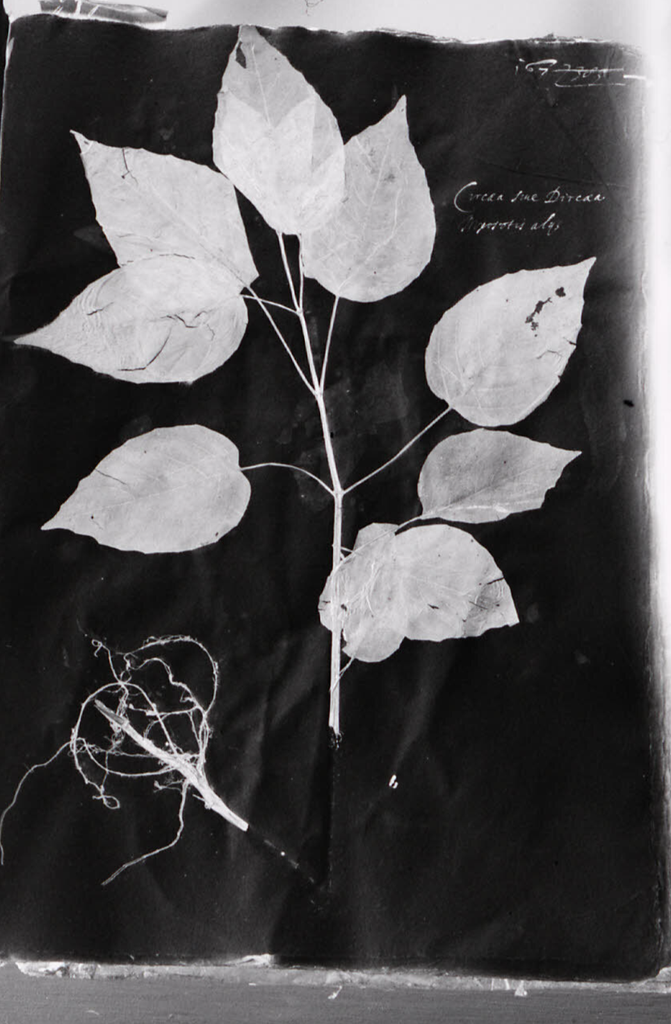
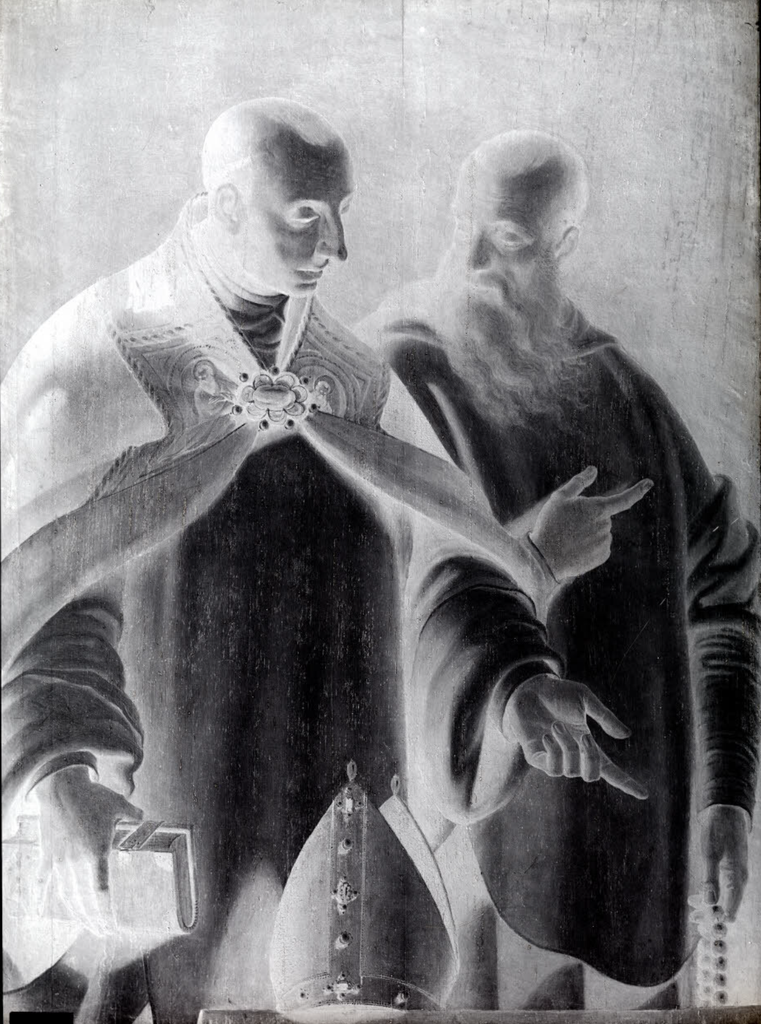
The story of Sibilia Zanni, wife of Lombardo de Fregulati, and Pierina Bugatis, daughter of Zambello de Bugatis and wife of Pietro da Brivio, is one of the most fascinating and controversial cases in the history of medieval Italian witchcraft. The two women, both Milanese and married, first appeared before the Inquisition tribunal in 1384. Thanks to the preserved sentences, we can reconstruct a history that lies halfway between popular folklore, religious beliefs, and the nascent idea of witchcraft that would fuel the great witch hunts in the centuries to come.
Before the inquisitor Fra’ Ruggero da Casale, Sibilia and Pierina told without apparent fear of participating in a mysterious “Game” that took place on the nights between Thursday and Friday under the guidance of a female figure called Madonna Oriente, Lady of the Game. This entity, also identified in sources as Diana or Herodias, was described as a powerful and benevolent lady, capable of knowing the future, teaching the use of medicinal herbs, and helping her followers solve problems related to disease, evil, and theft.
According to their depositions, they attended the meetings both alive and dead. Pierina said she was introduced to the company when she was sixteen by her aunt Anexina, who needed a replacement before she could die. During these meetings, banquets were held in which animals were slaughtered which, once consumed, were miraculously brought back to life by Madonna Oriente. The two women also narrated that the Lady and her entourage visited the houses during the night: if they found food left on the tables they consumed it with gratitude and blessed the clean and tidy houses.
For Sibilia and Pierina these experiences had nothing evil. On the contrary, they considered Madonna Oriente a positive figure and did not believe that participation in the Game was incompatible with the Christian faith. This very aspect struck the inquisitors. Fra’ Ruggero and the Archbishop of Milan interpreted their confessions not as the description of real events, but as fantasies, superstitions or diabolical illusions. The two women were therefore sentenced only to public penance, to pay a fine, and to wear a dress marked with yellow crosses, a symbol of their guilt and repentance.
The story didn’t end there, however. Six years later, in 1390, Sibilia and Pierina were tried again, this time by the inquisitor Fra’ Beltramino da Cernuscullo. The two admitted that they had resumed attending the Game despite their previous abjuration. In the new depositions, an element also appeared that brings their story closer to the imagination of subsequent witchcraft: Pierina declared that she had had relations with a demon called Lucifello and that she had made a pact with him sealed with blood. Some scholars believe that this detail may have been influenced by the inquisitors’ questions, as it appears inconsistent with the rest of the beliefs expressed by the two women, which focused mainly on the positive figure of Madonna Oriente.
The second trial ended tragically. We also know that Pierina confessed to considering Madonna Oriente as the Lady of their company, just as Christ is Lord of the world. There was no longer much leniency towards those who believed in the supernatural and mixed heretical practices with Christian ones, so women, considered “relapse”, that is, relapsed into heresy after formally denying it, were condemned to the stake in the summer of 1390 a few months later.
Their trial, with a related burning sentence, marks the beginning of the witch hunt at the gates of the Modern Age.